


Top Mistakes First-Time Hunters Make: What Not to Do on Your First Hunt
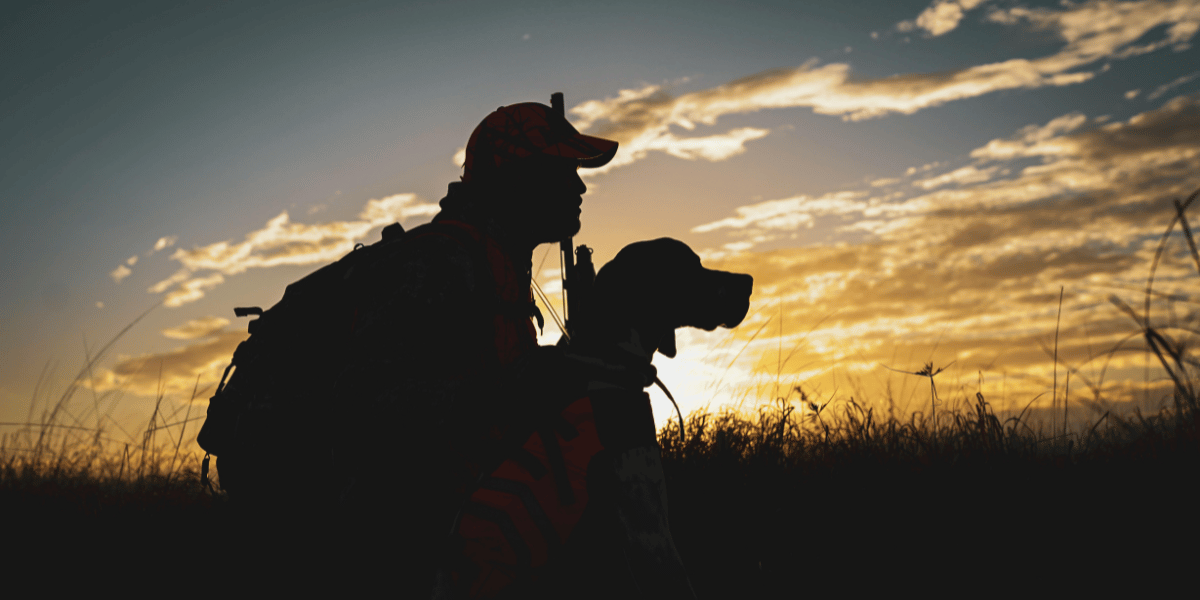
A first hunt stays with you for life. The problem is that what stays with you might not be a trophy, but a string of avoidable, frustrating situations. Experienced hunters learn from their own bruises, disappointments, and cold nights in the woods without a flashlight. A beginner can shortcut that learning curve by knowing in advance where almost everyone stumbles the first time they pick up a firearm and head into the field.
Below are the most common mistakes that happen on the first, second, and even fifth outing. Some are about safety, some about technique, and some are just common sense that somehow evaporates in the excitement of the hunt.
1. Treating the Firearm Like a Toy in the First Rush of Excitement
The most dangerous moment on a hunt is often not the shot itself, but the seconds before it. Spotting game, a beginner can forget the basics: keeping a finger off the trigger, controlling where the muzzle points, never aiming at a person even as a joke. Adrenaline overrides common sense, which is exactly why safety habits need to become automatic at home and on the range, not something learned for the first time in the field.
The four rules never go out of date: treat every firearm as if it's loaded, always know where the muzzle is pointed, keep your finger off the trigger until you're ready to shoot, and be certain of your target and what's beyond it. These simple words save more lives than most people realize before their first real hunt.
2. Heading Into the Field with an Unsighted Rifle
Buying a rifle or shotgun and heading straight out to hunt, trusting the factory scope settings, is a classic beginner mistake. Every firearm, every optic, and even every batch of ammunition has its own adjustment. Without sighting in at the actual distance you'll be shooting, a shot can miss by tens of centimeters, and at best that's just a clean miss, at worst it's a wounded animal you'll have to track down painfully and for far too long.
Sighting in takes an hour or two at the range but saves hours of disappointment in the field. It's worth checking the firearm at the distances you'll actually be shooting from, not just the standard 100 meters, especially if most of your hunting happens at short range in the woods.
3. Choosing a Firearm and Caliber Without Real Needs in Mind
Many beginners choose a firearm because it looks good, because a salesperson recommended it, or because a more experienced friend owns the same model. In reality, the right caliber and firearm type depend on what and where you plan to hunt. Duck hunting doesn't call for a powerful rifle, and a weak shotgun with birdshot on boar or deer is a recipe for wounded animals and dangerous situations.
It's worth taking the time to talk to specialists and honestly assess what kind of hunting you'll actually be doing in your first few years. Versatile firearms exist, but they're always a compromise, and it's better to understand that compromise upfront than to be disappointed after your first season.
4. Ignoring Physical Preparation
Hunting looks like a passive activity until you have to carry game for several kilometers over rough terrain, sit for hours in a blind in freezing cold, or quickly climb a steep slope while tracking an animal. Beginners often underestimate the physical demands and end up exhausted within the first few hours, which affects both concentration and safe handling of the firearm.
You don't need to train like an athlete, but basic endurance, the ability to walk long distances carrying weight, and tolerance for cold all significantly improve the quality of a first experience.
5. The Wrong Clothing and Footwear
A trendy city jacket or ordinary sneakers are often what ruins an outing. Wet feet, cold, the rustle of synthetic fabric that spooks game from a hundred meters away, all of this comes down to poor gear choices. Hunting clothing is chosen in layers, with attention to how quiet the fabric is, camouflage suited to the season, and reliable protection from moisture.
Footwear matters most of all. Wet, blistered feet can turn hours of waiting for a trophy into pure misery, and that misery is often enough to kill any desire to go back into the woods.
6. Not Knowing the Law, Seasons, and Hunting Ground Boundaries
Hunting in Ukraine is governed by clear rules: season dates for different species, required permits, licenses for specific trophies, and the boundaries of hunting grounds. A beginner who hasn't checked these details in advance risks more than just a ruined trip, they risk serious legal trouble, including criminal liability for illegal hunting.
Before a first outing, it's worth confirming all the paperwork with the hunting estate, making sure you have a valid permit, a firearm license, and a license for the specific game you're after. This isn't bureaucratic box-checking, it's part of hunting responsibly.
7. Shooting Beyond Your Actual Skill Level
The desire to bag a trophy often pushes people to take a shot at the edge of their ability, when the target is barely visible and there's no real confidence in a clean hit. The outcome of that kind of shot is unpredictable, ranging from a clean miss to a wounded animal that either has to be tracked for a long time or escapes injured altogether.
An honest sense of your own effective shooting range, built on the range and not invented in the heat of the moment, is one of the most important skills separating a responsible hunter from someone who just wants a trophy at any cost.
8. Ignoring Wind, Scent, and Concealment
Animals rely on smell and hearing far more than sight. A beginner who approaches a blind from the downwind side or uses scented hygiene products before heading out is often left wondering why the animal never showed up. Experienced hunters always factor in wind direction, choose neutral or scent-free products, and try to move as quietly as possible.
It seems like a small detail, but it's often exactly what determines whether a hunter even sees game at all, long before the question of taking a shot comes up.
9. Shooting Without 100% Target Identification
Movement in the brush, a silhouette at dusk, a sound in tall grass, any of these can look like game, but it could just as easily be a person, someone's dog, or just shifting shadows. Shooting without total certainty of what's actually in front of the sights is one of the most dangerous mistakes out there, and it's the cause of tragic hunting accidents every year around the world.
The rule is simple: no certainty, no shot. No trophy is worth the risk of injuring a person or someone else's animal.
10. No First Aid Kit and No Plan for an Injury
The woods, firearms, sharp knives for field dressing, uneven and slippery terrain, all of it raises the risk of injury. Beginners rarely carry even a basic first aid kit, hoping nothing will go wrong. But a cut while dressing an animal, a twisted ankle on a slope, or a tick bite happen far more often than people like to think.
A basic first aid kit, knowing emergency contact numbers, and making sure someone close to you knows your route and rough return time isn't paranoia, it's basic preparation that can save a trip, or a life.
11. Ignoring Navigation and Terrain Awareness
Woods at night, in fog, or during snowfall look nothing like they do in daylight under clear skies. Beginners who trust their sense of direction often walk farther than they meant to and end up with no clear idea of how to get back. A GPS unit, a compass, or even a downloaded offline map cost almost nothing compared to the problems caused by getting lost in the woods, especially in winter.
It's worth marking your starting point, the location of your car or camp, and checking your position periodically instead of relying purely on memory.
12. Poor Communication with the Group and the Guide
A group hunt requires tight coordination: who's standing where, which directions are safe to shoot toward, what signals mean stop or end of drive. A beginner who's too shy to ask a question, or thinks the details don't matter, puts the whole group at risk.
Before heading out, it's worth listening carefully to the guide's or hunt leader's briefing, and if something's unclear, it's better to ask again than to guess silently at a critical moment.
13. Not Knowing How to Field Dress Game Properly
A successful shot is only half the job. What follows is field dressing, which needs to happen quickly and correctly to preserve the quality of the meat and the trophy. Beginners often lack both the basic skills and the right tools, which means losing part of the trophy or spending far more time and effort than necessary.
A sharp knife, gloves, a basic understanding of animal anatomy, and at least some prior theoretical knowledge make this stage much easier, and for many people it turns out to be unexpectedly demanding, both physically and mentally.
14. Overpacking or Underpacking Gear
One extreme is trying to bring every possible piece of gear, which turns the backpack into a dead weight and moving through the woods into an ordeal. The other extreme is heading out too light, without spare clothing, water, or food, counting on a quick return that ends up taking much longer than planned.
A sensible balance comes with practice, after a few trips it becomes clear what's actually necessary and what can stay home.
15. Disregarding Hunting Ethics
Shooting a female with young, shooting purely for sport with no intention of using the trophy, leaving a wounded animal without trying to track it down, all of this undermines the entire point of responsible hunting and the reputation of the hunting community as a whole. A beginner caught up in the excitement of their first trips sometimes doesn't stop to think about these questions, focused only on the desire to get a trophy.
Real hunting is built on respect, for nature, for the animal, and for other hunters. These principles are worth learning from the very first outings, because that's when the process itself starts delivering far more satisfaction than just the chase for a trophy.