


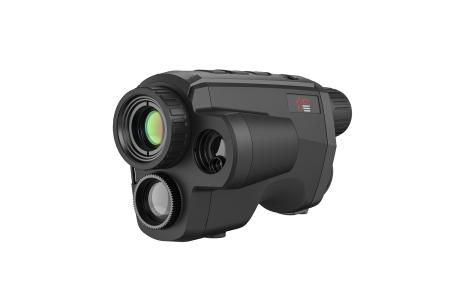
Thermal Imaging Sights
Modern hunting and observation have reached a new technological level, and thermal imagers play a key role in this evolution. Unlike night vision devices, which require residual light, a thermal imager sees the world in a different spectrum — the heat spectrum. It forms an image based on temperature differences between objects, allowing you to detect "warm" targets (animals, people, working machinery) in complete darkness, fog, smoke, or through dense vegetation. This gives the shooter an undeniable advantage.
However, choosing a thermal imaging device is a serious decision that requires an understanding of key technical parameters. The cost of a mistake is high, and the thermal imager price in Ukraine directly depends on its technological content. This article is your technical guide to help you understand the numbers and specifications so you can buy a thermal imager that perfectly suits your needs.
Sensor (Matrix) and Its Characteristics
The sensor, or matrix, is the most important and expensive component of any thermal imager. About 90% of image quality depends on its parameters.
Sensor Resolution
Specified in pixels (for example, 384x288, 640x480, 1024x768). The higher the resolution, the more details you see. A 640x480 matrix contains almost three times more pixels than 384x288, providing a clearer picture, allowing you to identify a target at a greater distance, and ensuring better image quality when using digital zoom.
Pixel Size
Measured in microns (µm), for example, 17µm or 12µm. A smaller pixel size at the same resolution allows for more compact lenses and often provides a sharper image. Today, 12-micron sensors are the industry standard.
Thermal Sensitivity (NETD)
This is one of the most important yet often overlooked parameters. It is measured in millikelvins (mK) and shows the minimum temperature difference the sensor can detect. The lower the NETD value (for example, <40mK, <30mK, or <25mK), the better. A highly sensitive sensor with a low NETD will deliver a high-contrast, detailed image even in challenging weather conditions such as rain, fog, or high humidity when temperature contrasts are minimal.
Optics and Display
Lens
Unlike daylight optics, thermal imager lenses are made not from glass but from a rare and expensive metal — Germanium (Ge). The lens diameter and focal length (F35, F50, etc.) determine the basic optical magnification and detection range. A larger lens (50mm or more) allows you to "see" farther but has a narrower field of view.
Display
This is the screen inside the eyepiece that shows the processed image. The most common technologies are LCOS, OLED, and AMOLED. AMOLED/OLED displays are preferred as they provide deeper blacks, higher contrast, and better performance at low temperatures.
Form Factors
Before buying a thermal imager for hunting, you need to decide on its form factor.
- Thermal Imaging Scopes. These are full-fledged scopes with their own reticle, mounted on a weapon instead of daylight optics. They require separate zeroing.
- Thermal Clip-On Devices. Mounted in front of your daytime optical scope. The main advantage — no need to re-zero your weapon. You continue using your familiar reticle and magnification, allowing you to quickly turn any daytime rifle into a night setup.
- Thermal Monoculars. These are handheld observation devices not designed to be mounted on weapons, used exclusively for spotting and observing targets.
Leading Manufacturers: Pulsar, AGM, Liemke, IRay
The Arm Elit catalog features brands that are technological leaders in the market.
- Pulsar: A Lithuanian brand that has become a trendsetter in the civilian thermal imaging world. Their products are known for advanced functionality, thoughtful software, reliability, and top performance.
- AGM: An American company with strong military roots. Their devices are durable, dependable, and widely used by professionals around the world.
- Liemke: German engineering at its finest. Liemke products offer premium build quality, excellent optics, compact design, and great attention to detail.
- IRay (InfiRay): One of the main innovators, known for producing its own highly sensitive sensors. IRay thermal imagers are often the first on the market to feature sensors with record-low NETD values, providing exceptional image quality. The Ray brand is also represented in our range.
Commission Thermal Imagers: Smart Savings
We understand that a thermal imager is a serious investment. For those who want to get a high-class device at a more affordable price, our store offers a section of commission (used) products. It features verified thermal imagers from top brands in excellent condition. Each device is carefully tested by our specialists, guaranteeing its functionality and offering a smart way to save without compromising quality.
Arm Elit: Your Expert in the World of Thermal Vision
- Professional Assortment. We offer thermal imagers from leading global brands such as Pulsar, AGM, Liemke, IRay, and others.
- For Any Purpose. Whether you’re looking to buy a thermal scope for hunting, a universal clip-on device, or a compact monocular — our specialists will help you choose the best option.
- Technical Expertise. We speak the language of numbers: resolution, NETD, pixel size. We’ll help you understand how the thermal imager price in Ukraine relates to its real capabilities so you can make an informed decision.
Choosing a thermal imager is an important technical decision. Understanding the key parameters will allow you to invest in a device that fully meets your expectations and becomes a reliable companion for many years. Explore our catalog or contact us for a consultation — we’ll help you see the night in a new way.